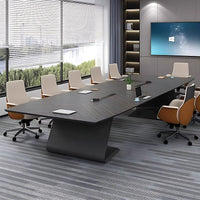

Plywood tables have become a popular choice in modern homes and commercial spaces thanks to their balance of strength, versatility, and cost efficiency. From minimalist dining tables to durable office workstations, plywood offers practical and design-forward solutions. This guide explores what plywood is, how plywood tables are made, their advantages and limitations, maintenance tips, customization options, buying considerations, and future trends shaping plywood table design.
What is Plywood?
Plywood is a staple material in construction and furniture manufacturing. It is crafted by stacking multiple layers of thin wood veneer and bonding them with strong adhesives. This cross-laminated structure gives it incredible strength and versatility. From the side, plywood features a striped, layered look resembling a wafer or a pastry. The thickness of the board is determined by the number of layers used.
Characteristics of a Plywood Table
- Lightweight: Easier to move than solid oak or maple.
- Durable: Highly resistant to cracking and warping.
- Affordable: A cost-effective alternative to solid hardwoods.
- Versatile: The nature of the material allows for limitless shapes and designs, from industrial to Mid-Century Modern.
Types and Uses of Plywood Tables
Living Room Tables (Coffee Tables)
A plywood table serves as a perfect centerpiece for your living room. Thanks to its lightweight nature, it is easy to move, allowing you to adapt to changes in your room layout effortlessly. You can also style it with decor to make it a standout feature of your interior design.
Dining Tables
Plywood dining tables are highly durable and built for daily use. With the proper surface finish, they become water- and heat-resistant, making them suitable for all kinds of dining occasions, from casual family meals to dinner parties.
Workstation
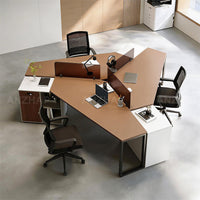
A plywood workstation is the ultimate choice for DIY projects and crafting. Its flat, stable surface creates an ideal workspace for detailed tasks and precision work. Also, the tabletop can be easily replaced if it wears out over time.
Folding Tables
Thanks to its lightweight nature, a folding table made of plywood is incredibly practical for events or homes with limited storage space. They offer robust strength while in use, yet collapse down for compact, easy storage when not needed.
How to Build High-quality Plywood Tables
Material Selection
The first step is selecting plywood of the appropriate thickness and quality. Generally, 0.35 or 0.47 inches is the standard, but you can choose thicker wood for the table legs and support frame for enhanced stability.
Design and Engineering
When determining the dimensions and shape of the table, consider its intended use and where it will be placed. Plywood allows for a wide range of designs, from simple rectangular tables to more creative shapes. It is also a good idea to plan for reinforcement and surface finishing during the design.
Assembly Process
To assemble the plywood table, please follow these steps:
Cutting the tabletop, attaching the legs, installing reinforcements, and applying the surface treatment and finishing.
It is crucial to use the appropriate tools for each step and to securely fasten the components together with glue, nails, or screws.
Surface Treatment and Finishing
Proper surface treatment is essential for enhancing the durability and aesthetics of the table. After sanding down the surface, a finish such as varnish, paint, or oil can be applied. This step allows you to customize the color and texture of the table to achieve your desired effect.
Pros & Cons of Plywood Tables
The Pros
- Lightweight & Manageable: Easy to move into apartments or upstairs.
- Budget-Friendly: Looks like high-end custom furniture for a fraction of the price.
- Design Freedom: Perfect for custom DIY projects.
- Repairable: Easy to repair and refinish.
The Cons
- "Raw" Aesthetic: Some may find it lacks the quality of luxury.
- Moisture Sensitivity: If not maintained properly, it can absorb water and swell.
- Durability: It may warp or twist after long-term use, and the surface is prone to scratches
Maintenance Guide
Daily Care
- Wipe it down: Use a soft, dry or slightly damp microfiber cloth.
- Spills: Wipe up liquids immediately. Plywood hates standing water.
- Environment: Keep out of direct, harsh sunlight and away from direct heat sources (like radiators) to prevent fading or warping over time.
Repair & Refurbish
If your table gets scratched or the finish looks dull after a few years, you don't need to toss it. A light sanding and a fresh coat of varnish or paint can make it look brand new. This is a great weekend project for DIY lovers!
Customize Your Table
Paint and Stain
Plywood takes stain and paint very well. You can stain it dark for a rustic vibe, leave it natural for a minimalist look, or paint it bold colors for a modern pop.
Upcycling & Decor
Get creative! You can tile over the top with mosaics for a retro look, creating a unique art piece. You can enhance its functionality by replacing the legs or adding storage space
Buying Guide: How to Choose Plywood Tables
Choose by Application
Before you make a purchase, identify its intended purpose; whether it will serve as a dining table, a living room coffee table, or a workstation. Be sure to select a table with the appropriate dimensions, shape, and structural strength to match.
Quality Checkpoints
When shopping, check these details:
- Surface Smoothness and Finish: Check for a consistent texture and defects.
- Joint Strength: Ensure connections are tight and secure.
- Thickness and Ply Count: Look for adequate board thickness and a high number of layers (plies).
- Adhesive Quality: High-quality glues ensure longevity and safety.
- Durability of the Finish: The coating should be resistant to wear and scratching.
By comprehensively assessing these factors, you can select a high-quality table that will stand the test of time.
Future Trends
The Eco-Friendly Choice
Sustainability is huge. Plywood produced from recycled wood or timber sourced from certified forests is becoming a favorite among eco-conscious consumers.
Tech Integration
Modern plywood desks are getting smarter. Look for tables with built-in wireless charging pads, routed cable management channels, and integrated LED strip lighting.
The Rise of Modular Design
Modular plywood tables are gaining popularity for their ability to adapt to ever-changing lifestyles. Their flexible construction allows users to rearrange components to adjust the table's size and shape, making them especially appealing for small urban homes.
Thanks to their versatility and practicality, veneered tables will continue to play a key role in furniture design. As technology advances, we can expect to see even more functional and visually appealing veneered tables in the future.
Summary
Veneered tables are favored for their lightweight construction, good price, and endless possibilities. From DIY projects to high-quality finished pieces, they can meet all your needs. With proper care and customization, they can become a long-lasting highlight of your interior decor.
Veneered tables continue to evolve, integrating eco-friendly concepts, technology, and other modern elements. They will remain a part of our daily lives and continue to be known as furniture that balances function and aesthetics.
So why not enrich and elevate your living space by choosing, crafting, and using a plywood table?
Frequently Asked Questions
Q1: Are plywood tables durable?
A1: Yes. With proper maintenance, it can be incredibly durable.
Q: Are plywood tables prone to moisture damage?
A2: Untreated plywood has relatively poor water resistance, which, however, can be improved with proper waterproofing treatments. Long-term exposure to water should still be avoided.
Q3: Is building a plywood table hard for beginners?
A3: It is one of the best beginner woodworking projects. If you have a circular saw and a drill, you can build a great table. Many lumber yards will even cut the sheet to size for you.
Q4: How do I prevent scratches?
A4: Prevention is key. Use placemats and coasters. Avoid dragging rough ceramics across the surface. A hard wax oil finish makes repairing minor scratches easier than a hard poly finish.
Q5: Can I fix an old plywood table?
A5: Absolutely. Sanding it down removes the old finish and surface stains. You can then re-stain it, paint it, or apply a new veneer sheet on top to give it a second life.