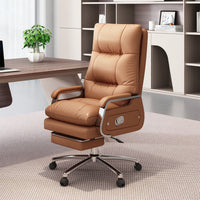

Office Furniture Guide: How to Plan a More Functional Workspace
Choosing the right office furniture can completely change the way a workplace looks, feels, and functions. A well-planned office should support daily tasks, create a professional impression, and make the space easier to use. From desks and storage to reception areas and meeting rooms, every piece should serve a clear purpose.

Why Office Furniture Matters in Every Workplace
Office furniture is more than decoration. It affects how people move through the space, how organized the office feels, and how comfortable employees are during the workday. A desk that is too small can make daily tasks feel crowded. A conference table that is too large can make the room difficult to navigate. A reception desk without enough storage can quickly make the front area look messy.
The best office furniture should match the real needs of the space. A private office may need an executive desk with storage and a wide desktop. A front lobby may need a reception desk that gives visitors a clear place to check in. A team office may need workstations that support both focus and communication.
Before choosing furniture, think about how each area is used every day. Consider how many people will use the space, what items need to be stored, where power outlets are located, and how visitors will move through the office. These details help you choose furniture that looks good and works well.
Explore Anzhap’s office furniture collections to find desks, storage cabinets, reception desks, and conference tables designed for modern workspaces.
Key Office Furniture Pieces to Consider
Different office areas require different furniture. Instead of choosing pieces one by one, it is better to plan the whole workspace as a connected layout.

Executive Desk for Private Offices
An executive desk is usually the main piece in a private office, manager’s room, or client-facing workspace. It should provide enough desktop space for a computer, documents, lighting, and daily office supplies. Many executive desks also include drawers, file storage, privacy panels, cable management, or built-in power access.
For larger offices, an L-shaped executive desk can be especially useful. It gives the user more surface area while keeping work materials within easy reach. The main desk can support computer work, while the side return can be used for paperwork, a printer, or project files.
When choosing an executive desk, pay attention to size, storage, and front-facing appearance. If clients or guests sit across from the desk, the front side should look clean and professional.
Reception Desk for First Impressions
A reception desk is often the first piece of furniture customers, clients, or visitors notice. It should feel welcoming while still giving staff enough room to work. A good reception desk may include a raised counter, privacy panel, drawers, cabinets, cable holes, or open shelves.
For offices, salons, clinics, showrooms, and studios, the reception desk should match the brand image. A curved reception desk can make the space feel softer and more refined. An L-shaped reception desk can help define the working area and give staff more storage and counter space.
Measure the front area carefully before purchasing. There should be enough room for visitors to approach the desk, staff to move behind it, and drawers or cabinet doors to open fully.
Conference Table for Meetings
A conference table is the center of meetings, planning sessions, presentations, and team discussions. The right size depends on how many people usually attend meetings and how much space is available around the table.
For small teams, a compact rectangular or round table may be enough. For larger meeting rooms, a long conference table can create a more formal and professional setting. Built-in outlets, cable management, and power hubs are helpful when people use laptops, phones, or presentation equipment.
The table should not fill the entire room. Leave enough clearance for chairs, walking paths, and presentation areas. A well-sized conference table makes meetings feel more comfortable and organized.
Office Storage Cabinet for a Cleaner Space
An office storage cabinet helps keep the workspace organized. Without enough storage, documents, supplies, personal items, and equipment often end up on desks or floors. This can make even a stylish office look unfinished.
Storage cabinets can include enclosed doors, open shelves, file drawers, wardrobes, and display areas. Enclosed cabinets are useful for hiding clutter, while open shelves are better for books, decor, or frequently used items. Lockable storage is helpful for files, business documents, and personal belongings.
Choose storage based on what needs to be visible, hidden, or secured. The right cabinet can make the entire office feel cleaner and easier to manage.
How to Create a Better Office Furniture Layout
A strong office furniture layout starts with movement. People should be able to walk, sit, open drawers, reach storage, and use equipment without feeling blocked. Even high-quality furniture will not work well if the layout feels crowded.
For a private office, place the desk where the user has a clear working zone and enough space for visitors. Storage can be placed behind or beside the desk to keep files and supplies nearby. Avoid placing bulky cabinets too close to the entrance, because this can make the room feel smaller.
For a reception area, the desk should be easy to see from the entrance. Visitors should immediately understand where to go. At the same time, staff should have enough room behind the desk to move comfortably, store items, and complete daily tasks.
For a conference room, the table should be centered with enough room for chairs on all sides. If the room has a screen, whiteboard, or presentation wall, make sure every seat has a clear view. Power access should also be easy to reach, especially for meetings that involve laptops or video calls.
For open offices, group desks by team or workflow. Privacy screens, low cabinets, or storage dividers can create separation without making the space feel closed off. The goal is to support collaboration while still giving each person enough room to focus.
Browse Anzhap’s modern office furniture to build a layout that works for private offices, shared workspaces, reception areas, and meeting rooms.
Choosing Office Furniture for Small Spaces
Finding the right office furniture for small spaces requires careful planning. A compact office can still feel professional if the furniture is scaled correctly and every piece has a useful function.
Start by measuring the room. Check the wall length, door swing, window placement, outlet location, and chair pull-back space. Do not choose furniture based only on the product image. A desk that looks compact online may feel too deep in a narrow office.
For small offices, choose furniture that adds function without taking up too much floor space. Desks with built-in drawers, slim storage cabinets, wall-side workstations, and mobile file cabinets can help save room. Vertical storage is also useful because it takes advantage of wall height instead of floor width.
Avoid oversized pieces that block movement. A large executive desk may look impressive, but it may not be practical if the office becomes difficult to use. In smaller rooms, clean lines, lighter finishes, and smart storage can make the space feel more open.
Modern office furniture with cable management is also helpful in compact spaces. When cords are hidden and supplies have a place to go, the room feels cleaner and more spacious.
FAQ
Q: What office furniture should I buy first?
A: Start with the main work area. For many offices, this means desks, chairs, and storage cabinets. If your business receives visitors, a reception desk may be the first priority. If your team holds frequent meetings, choose the conference table early so the room can be planned around it.
Q: How do I choose the right executive desk?
A: Choose an executive desk based on room size, desktop space, storage needs, and appearance. If you use multiple monitors, paperwork, or client-facing materials, a wider desk or L-shaped desk may be more practical.
Q: What makes a good reception desk?
A: A good reception desk should be easy for visitors to find and comfortable for staff to use. Look for useful features such as a raised counter, privacy panel, storage drawers, cable management, and a size that fits the lobby.
Q: How much space should be left around a conference table?
A: Leave enough room for chairs to pull out and for people to walk around the table comfortably. The table should support meetings without making the room feel crowded or difficult to move through.
Q: What office furniture works best for small spaces?
A: Compact desks, vertical storage cabinets, mobile file cabinets, and furniture with built-in storage are good choices. These pieces help keep the office organized without using too much floor space.
Q: Should all office furniture match?
A: It does not need to be identical, but it should feel coordinated. Matching finishes, similar colors, and consistent design lines can make the office look more professional and complete.
Conclusion
The right office furniture helps create a workplace that looks professional, feels organized, and supports everyday tasks. Whether you are planning a private office, reception area, meeting room, or compact workspace, each furniture piece should match the way the space is actually used.
Start with accurate measurements, then choose desks, tables, and storage that support movement, comfort, and organization. A thoughtful layout can make even a small office feel more efficient and welcoming.
Visit Anzhap to explore office furniture designed for modern offices, reception areas, conference rooms, and organized workspaces.