
Introduction
Choosing the right office desk can improve comfort, storage, workflow, and the overall look of your workspace. In this guide, you’ll learn how to compare office desks by size, shape, material, layout, and daily use, whether you are furnishing a private office, shared workspace, or home office desk setup.
Why Choosing the Right Office Desk Matters
An office desk is more than a place to put a laptop. It affects how comfortably you work, how organized your daily tasks feel, and how professional your space looks to clients, employees, or visitors. A desk that is too small can make the workspace feel crowded. A desk that is too large may block movement, waste floor space, or make a small room feel heavy.
The right desk should support the way you actually work. If you handle paperwork, you may need a wide desktop and drawers. If you use multiple monitors, cable management and surface depth matter. If you meet with clients in your office, appearance becomes just as important as storage. For a home workspace, the desk may need to blend with the rest of the room instead of looking too commercial.
When comparing office desks, start with three practical questions:
- How much space do you have?
- What equipment do you use every day?
- Do you need storage, privacy, cable control, or a larger return section?
For a broader selection of styles and sizes, browse our Office Desk Collection.
A good office desk should make the room feel easier to use, not harder. It should give you enough room to work, keep important items within reach, and match the design direction of your office.
Types of Office Desks
Different workspaces need different desk shapes. Before choosing a material or color, decide which desk type best fits your room layout and work habits.
Executive Office Desk
An executive office desk is usually larger, more substantial, and more refined than a basic workstation. It is often used in private offices, manager rooms, law offices, real estate offices, and senior professional spaces. These desks often include a wide desktop, side storage, drawers, file cabinets, or a return section for extra working space.
If you want the office to feel confident and established, an executive desk is a strong choice. It gives the user room for monitors, documents, decorative items, and visitor-facing conversations. Many executive desks also include privacy panels or front modesty panels, which help hide cables and create a more finished appearance.
L-Shaped Office Desk
A l shaped office desk is ideal when you need more surface area without placing everything in one long line. The main desktop can be used for computer work, while the return section can hold files, a printer, paperwork, or a second monitor. This layout works especially well in corner offices, home offices, manager rooms, and spaces where the user needs to switch between tasks.
The biggest advantage of an L-shaped desk is workflow. You can keep your main computer area clean while using the side return for active projects. Some L-shaped desks also include built-in storage, cable holes, power outlets, or lockable drawers, making them practical for long workdays.
Before buying, check whether the return side is fixed or reversible. A reversible return gives you more flexibility if you move offices or change the room layout later.
Adjustable Office Desk
An adjustable office desk is designed for people who want more flexibility during the workday. Some models allow users to switch between sitting and standing, while others focus on adjustable height for better ergonomic fit. This type of desk is useful for long computer sessions, shared workstations, or offices where different users may use the same desk.
When choosing an adjustable desk, look at the height range, stability, control panel, lifting mechanism, and desktop size. A good adjustable desk should feel steady at both sitting and standing heights. If the desk wobbles too much when raised, it may not be comfortable for typing, writing, or using multiple monitors.
Adjustable desks pair especially well with ergonomic office chairs, monitor arms, and cable trays.
Compact Home Office Desk
A home office desk should balance function and style. Unlike a commercial office desk, it often sits in a bedroom, living room, guest room, or apartment corner. That means size, color, and visual weight matter. A compact desk with drawers, shelves, or a simple cable hole can make daily work easier without making the room feel like a corporate office.
For small spaces, choose a desk that is wide enough for your laptop or monitor but not so deep that it blocks walking space. If you use the desk every day, avoid very narrow surfaces that leave no room for a keyboard, notebook, or desk lamp.
A modern office desk with a clean shape, neutral finish, and hidden storage can work well in both home and professional settings.
Office Desk Size and Layout Guide
Office desk size depends on the room, the user, and the type of work being done. There is no single perfect size for every workspace, but the chart below gives useful starting points.
| Workspace Type | Recommended Desk Width | Recommended Depth | Best For |
|---|---|---|---|
| Small home office | 40"–55" | 20"–24" | Laptop work, apartment corners, light daily use |
| Standard office workstation | 55"–63" | 24"–30" | Computer work, writing, basic storage |
| Manager or private office | 63"–79" | 28"–32" | Larger monitor setup, paperwork, client meetings |
| Executive office | 79"–95"+ | 30"–36"+ | Spacious desktop, storage, premium office layout |
| L-shaped layout | 63"–94"+ main side | 24"–30" | Multitasking, corner offices, added storage |
Most standard seated desks are around 28”–30” high, which works for many adults when paired with a suitable chair. However, comfort depends on the user’s height, chair height, monitor position, and keyboard placement.
Before choosing a desk, measure the room carefully:
- Step 1: Measure the full wall or floor area where the desk will sit.
- Step 2: Leave enough room for the chair to pull back comfortably.
- Step 3: Check nearby doors, windows, cabinets, and walking paths.
- Step 4: Plan where monitors, printers, lamps, and power outlets will go.
- Step 5: Make sure drawers and cabinets can open fully.
If the desk is going into a small office, pay close attention to depth. A desk that is too deep can make the room feel tight, especially when paired with a large office chair. If the room is wide but not deep, a longer desk with a shallower profile may work better.
Need help choosing the right desk? Explore our Office Desk Collection or contact our team for recommendations.
Office Desk Materials and Features
Material choice affects durability, appearance, cleaning, price, and long-term maintenance. It also changes how the desk feels in the room. A dark wood-grain desk may feel formal and executive, while a white or light oak desk may feel cleaner and more modern.
Engineered Wood
Engineered wood is one of the most common materials for office desks because it offers a good balance of style, stability, and cost. It can be finished in wood grain, white, black, gray, walnut, or two-tone designs, making it easy to match different office interiors.
For everyday business use, engineered wood desks can be practical because they are available in many sizes and usually support features like drawers, cabinets, modesty panels, cable grommets, and built-in power access. If you want a desk that looks polished without the cost of solid wood, engineered wood is often a strong option.
For more material comparisons, read our Solid Wood vs Engineered Wood Office Desks guide.
Solid Wood
Solid wood desks are valued for their natural texture, weight, and premium appearance. They can make a private office feel warmer and more established. Solid wood is often chosen for executive offices, boutique workspaces, and rooms where furniture is part of the brand image.
However, solid wood may cost more and require more care than engineered wood. It can also be heavier, which matters if the desk needs to be moved or installed in an upper-floor office. For many buyers, the choice comes down to whether they prefer a natural material feel or a more budget-friendly commercial solution.
Glass and Mixed Materials
Glass desks can make a room feel lighter and more open, especially in modern offices. They work well in design studios, creative workspaces, and compact rooms where a heavy desk might visually crowd the space. However, glass surfaces show fingerprints more easily and may not be the best choice for heavy paperwork or equipment.
Mixed-material desks combine wood, metal, glass, stone-look panels, or steel legs. These designs can create a more distinctive look while still supporting daily office use. If you want a modern office desk with a stronger design statement, mixed materials are worth considering.
Storage, Cable Management, and Power Access
Desk features can make a major difference in daily use. A beautiful desk may still become frustrating if there is nowhere to store files, hide cables, or charge devices. Look for features that match your actual workflow:
- Drawers for documents and personal items
- Lockable storage for sensitive files
- Open shelves for quick access
- Enclosed cabinets for a cleaner look
- Cable grommets or cable trays
- Built-in power outlets or USB ports
- Privacy panels to hide clutter from visitors
- CPU compartments or printer storage if needed
If your desk will be used in a professional office, cable management is especially important. Clean cables make the workspace look more organized and reduce distractions during meetings or video calls.
How to Match Office Desks with Office & Desk Chairs
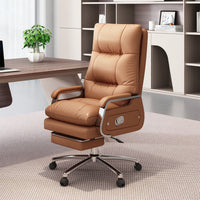
A desk works best when paired with the right chair. The keyword office & desk chairs matters because many buyers choose the desk first and only think about the chair later. In reality, desk height, chair height, armrest position, and legroom should work together.
For a standard seated desk, choose an office chair that allows your feet to rest flat on the floor, your arms to stay relaxed, and your wrists to remain comfortable while typing. If the chair has arms, make sure they can slide under the desktop or sit naturally beside it. A chair that is too tall may force your shoulders upward, while a chair that is too low can make typing uncomfortable.
The style should also match. Executive desks often pair well with high-back leather or padded chairs. Compact home office desks may look better with slim ergonomic chairs. Modern office desks often work well with mesh chairs, task chairs, or minimalist upholstered chairs.
Common Mistakes When Buying Office Desks
Even when there are many office desks available, buyers can still choose the wrong one if they focus only on appearance. A desk should look good, but it also needs to fit the room and support real work.
Common mistakes include:
- Choosing a desk without measuring the room first
- Buying a desktop that is too shallow for monitors and documents
- Forgetting chair pull-back space
- Ignoring storage needs
- Choosing a large desk for a small room
- Forgetting cable management
- Buying a desk that does not match the chair height
- Choosing style over daily function
- Not checking whether an L-shaped return fits the correct side
- Forgetting future equipment, such as printers, second monitors, or docking stations
If you are buying multiple desks for a business, consistency also matters. Matching finishes, similar heights, and coordinated storage can make the whole office feel more organized. For home offices, consider whether the desk still looks natural when the workday is over.
A good office desk should feel comfortable on day one and still make sense months later.
Frequently Asked Questions
Q: What is the best size for an office desk?
For a standard workstation, a desk around 55”–63” wide and 24”–30” deep works well for many users. For executive offices or larger monitor setups, 71”–95”+ may be more comfortable. Always measure your room and leave enough space for chair movement.
Q: What is the best desk for a home office?
The best home office desk depends on your room size and daily work needs. For small rooms, choose a compact desk with storage or cable management. For full-time remote work, a wider desk with enough space for a monitor, keyboard, lamp, and documents is usually better.
Q: Is an L-shaped office desk better than a straight desk?
An L-shaped desk is better if you need more surface area, corner placement, or separate zones for computer work and paperwork. A straight desk is better for narrow rooms, simple workstations, or spaces where a lighter layout is preferred.
Q: What material is best for office desks?
Engineered wood is practical for most offices because it offers many finishes and sizes at a reasonable cost. Solid wood feels more premium but may cost more and require more care. Glass and mixed-material desks are good for modern design-focused spaces.
Q: How do I match an office desk with an office chair?
Check the desk height, chair height, armrest position, and legroom. Your chair should allow comfortable typing without raising your shoulders. If the chair has arms, make sure they fit under or beside the desk without blocking movement.
Q: What features should I look for in a modern office desk?
Look for a clean shape, durable surface, cable management, practical storage, and enough desktop space for your equipment. Built-in power access, lockable drawers, and privacy panels are also useful for professional workspaces.
Q: Where should I place my office desk?
Place the desk where it has enough light, easy outlet access, and comfortable chair clearance. Avoid blocking doors, walkways, or cabinets. In smaller rooms, placing the desk against a wall or in a corner can help save space.
Conclusion
Choosing the right office desk starts with understanding your workspace, not just picking a style you like. Measure the room, think about your daily tasks, compare desk types, and make sure the desk works with your chair, storage needs, and equipment.
For most buyers, the best desk is the one that balances comfort, organization, durability, and design. A compact home office may need a simple desk with smart storage, while a private office may benefit from an executive or L-shaped design. If you want a cleaner and more current workspace, a modern office desk with cable management and practical storage can make daily work feel much easier.
Browse our Office Desk Collection to compare sizes, finishes, and layouts for your workspace.