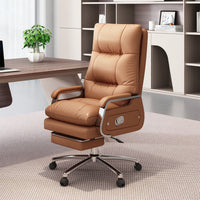

Choosing the right office desk is crucial for any workspace. It sets the tone for your office and reflects your professional image, especially for private offices. A good executive desk should fit your office layout or interior decoration, comply with ergonomics, solve storage and organization issues, and last for years. With so many options available, selecting the perfect desk can be overwhelming. This guide will help you make a wise decision by exploring types of modern executive desks, key factors to consider, and some shopping tips.
Understand Executive Desks
An executive desk is more than just a surface to work on—it’s the visual and functional centerpiece of an executive office. Before choosing styles or materials, it’s important to understand what defines an executive desk and why it plays such a critical role in office design.
Definition and Importance
An executive desk, also known as a boss desk, is a premium office desk designed for senior professionals, business owners, and decision-makers. Compared to standard desks, they are typically larger, more substantial, and more refined in appearance.
Beyond size, their importance lies in status and function. An executive desk often serves as:
- A workspace for focused tasks and meetings
- A visual symbol of authority and professionalism
- A focal point that anchors the entire office layout
In client-facing offices, the desk helps shape first impressions. In private offices, it creates a sense of leadership, comfort, and efficiency—essential for long hours of strategic work.
Key Features of Luxury Office Desks
Luxury executive desks stand apart through thoughtful design and premium construction. Common features include:
- Generous desktop space for multitasking, monitors, and documents
- High-quality materials such as solid wood, wood veneer, metal accents, or stone surfaces
- Integrated storage, like drawers, cabinets, or hidden compartments
- Clean cable management to maintain a clutter-free appearance
- Refined finishes that enhance durability and visual appeal
These features combine aesthetics with practicality, ensuring the desk performs as beautifully as it looks.
Types of Modern Executive Desks
Modern executive desks come in a variety of configurations, each designed to support different work styles, office sizes, and functional needs. Understanding the most common types will help you select a desk that aligns with how you work—not just how your office looks.
L-Shaped or Corner Desks
It usually consists of a main desktop and a side cabinet, which forms an L shape. L-shaped executive desks are ideal for professionals who need separate zones for different tasks. One side can be used for computer work, while the other handles paperwork, meetings, or creative tasks.
Best for:
- Medium to large offices
- Multitasking professionals
- Maximizing corner space

U-Shaped Desks
U-shaped desks offer the maximum workspace and storage, creating a wraparound environment that keeps everything within reach. These desks are often associated with traditional executive offices or high-level leadership roles.
Best for:
- Large private offices
- Executives who manage paperwork-heavy workflows
- Offices that host frequent in-desk meetings

Standing Desks or Adjustable Desks
Height-adjustable executive desks combine modern design with ergonomic benefits. They allow users to alternate between sitting and standing, promoting movement and reducing fatigue during long workdays.
Best for:
- Health-conscious professionals
- Modern or contemporary offices
- Executives seeking flexibility and comfort

Factors to Consider When Buying an Executive Desk
As stated before, the executive office desk is larger and more luxurious. To choose the most suitable one, consider your office area, budget, configurations, etc. Here is the detailed instruction.
Areas and Layout
Before selecting an executive desk, evaluate your office dimensions and layout. A desk should fit comfortably without crowding the room. Take note of how you move within the office. Ensure there’s ample space for easy navigation around the desk.
For example, whether you place it in the middle of the room or against the wall, make sure you walk freely to sit down or leave without bumping into any obstacles and getting hurt.
Office Design
Executive desks come in a variety of styles to match any interior decor. Traditional desks often feature rich wood finishes and intricate details. They exude elegance and timeless appeal, suitable for classic office interiors.
Modern executive desks are sleek and functional, often with a minimalist design or metal and glass parts, perfect for a forward-thinking office environment.
Materials and Build Quality
The material of an executive desk greatly affects its aesthetics and longevity. Solid wood or engineered wood desks are sturdy and long-lasting. They often look classic but require careful maintenance to preserve their beauty.
Metal and glass provide a modern and industrial appearance. They create a sleek silhouette and are often easier to clean than wood. However, glass might be less resistant to cracking or wear.
Moreover, when evaluating build quality, remember to check the joints and weight capacity. A well-constructed desk should feel solid and remain stable over time.
Storage, Organization, and Cable Management
A clutter-free workspace enhances efficiency and focus. Executive desks with ample storage keep essentials within reach. It is suggested to prioritize desks with drawers, cabinets, or shelves to store office supplies neatly. Some might feature lockable units to secure confidential documents or items.

Integrated cable management systems help maintain a tidy appearance. These systems guide cables discreetly, minimizing clutter and preventing tangles. Many high-end desks also include built-in charging ports on the desktop. Imagine that you are in a meeting and your laptop is running out of power. Just charge it at once without interrupting the meeting and looking for outlets everywhere.

Ergonomics and Comfort for Productivity
Comfort is key to productivity in any office setting. An ergonomically designed workspace aids in reducing fatigue and enhancing focus. A well-chosen desk creates a more pleasant office atmosphere, resulting in greater job satisfaction and effectiveness.
The height of the desk matters. Standard office desks usually measure about 28–30 inches (71–76 cm), fitting most adults for seated work. Remember to pair with an heigh-adjustable office chair to rest arms, wrists, and hands in a neutral position. More importantly, opt for a desk with sufficient legroom, so you can move or stretch out freely during long hours of work.
Budget for a Luxury Office Desk
High-end furniture can vary greatly in price. It is necessary to set a realistic budget that balances quality and functionality. For example, we provide executive desks ranging from $500-$3000 according to desk sizes, materials, configurations, and layouts.
By aligning your budget with your needs, you can choose a desk that enhances your office without exceeding your financial limits. A well-planned purchase leads to lasting satisfaction.
Sustainability and Eco-Friendly Choices
Opting for an eco-conscious desk not only benefits the planet but also promotes a healthy office atmosphere. Many desks are now crafted using sustainable materials. As an office desk will stay for years, you have to consider eco-friendly features besides valuing its sturdiness.
Recycled materials like metal or glass are recommended. If you do want a wood desk, look for manufacturers committed to green practices. For example, the desk must be made from CARB-compliant or low-VOC material.
Final Tips for Choosing the Perfect Executive Desk
Selecting the ideal executive desk enhances your workspace significantly. A well-considered choice balances office layout, daily work habits, comfort, storage needs, and long-term durability. The table below summarizes the key factors discussed in this guide and can be used as a quick checklist when comparing different options. By prioritizing what matters most for your workspace, like functionality, aesthetics, or sustainability, you can confidently pick a suitable desk that supports productivity, reflects professionalism, and serves your office well for years to come.
|
Factor |
Why It Matters |
What to Look For |
|
Office size & layout |
Ensure the desk fits comfortably |
Measure space, allow walking clearance |
|
Desk type |
Match your work style |
L-shaped, U-shaped, or height-adjustable |
|
Materials & quality |
Affect durability and appearance |
Solid wood, metal frame, stable joints |
|
Storage & organization |
Keep workspace tidy & efficient |
Drawers, cabinets, lockable units |
|
Cable management |
Maintain a clean, professional look |
Grommets, hidden channels |
|
Ergonomics |
Support long-term comfort |
Proper height, legroom |
|
Budget |
Balance cost and value |
Quality within your price range |
|
Sustainability |
Reflect company values |
CARB-compliant, low-VOC materials |